English| EUR
Suggested for you
More currencies
Choose a language
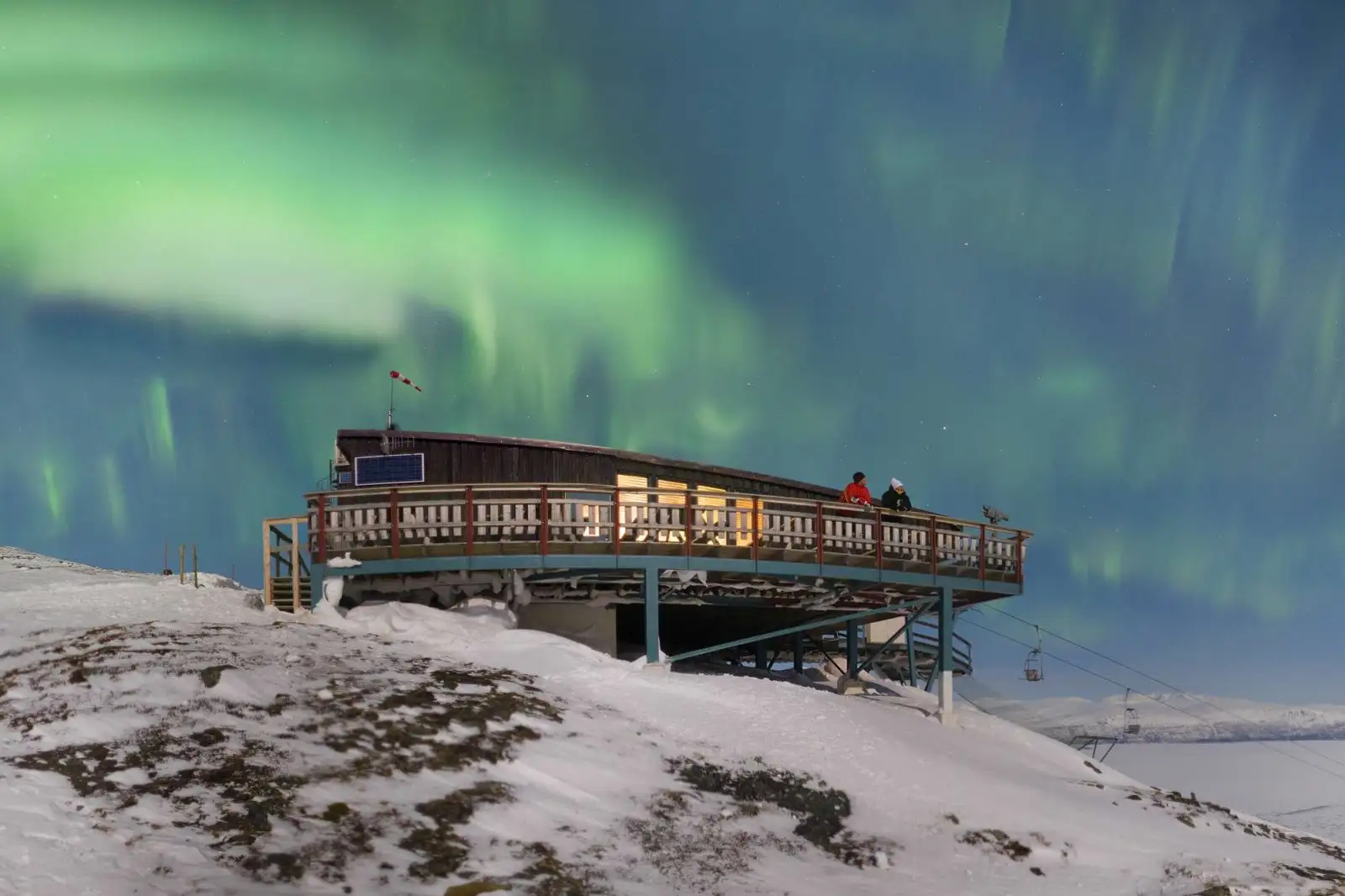
The optimal period for monitoring the northern lights in Abisko spans from mid-September to early April, as the extended hours of darkness are necessary for visibility. During these months, the best arrival window is 20:00–23:59 to ensure the required low-light conditions.
Cold, temps near -5°C to 5°C
Early aurora activity appears as nights lengthen. Limited snowfall offers clearer ground views.
Very cold, temps near -20°C to -10°C
Polar night provides maximum darkness, increasing the potential for aurora observation throughout the evening.
Cold, temps near -15°C to 0°C
Stable weather patterns and long dark nights make this a peak period for viewing. Aurora visibility remains consistent until the season ends.
Verdict: The best time to monitor the Abisko northern lights webcam is from November to February during the 20:00–23:59 arrival window.
Everything you need to know about abisko northern lights webcam
While an abisko northern lights webcam offers a glimpse of local sky conditions, it is not a substitute for witnessing the aurora borealis in person. Digital feeds often experience latency and may not capture the full intensity of the lights.
The park does not operate an official 24-hour stream for public viewing, though various private cameras may provide periodic updates. Relying solely on a live stream can be misleading due to weather changes and varying sensor sensitivity.
Local weather stations and space weather alerts are useful tools for monitoring aurora forecasts. Combining these datasets with your own observations provides a more reliable assessment than a single digital feed.
Abisko National Park Tours
Read more Tickets & toursNorthern Lights Tours with Dinner
Read more GuideWhen to See Northern Lights in Abisko
Read more GuideAbisko Northern Lights Tracker
Read more Tickets & toursKiruna to Abisko Northern Lights Tours
Read more GuideAbisko Northern Lights Forecast
Read more Tickets & toursAbisko Northern Lights Packages
Read more