Torneträsk Lakeshore
Nighttime during clear skies
Position your tripod along the frozen shoreline to capture aurora reflections over the expansive lake surface. Accessible via short trails from the main park area.
The period from late September to late March offers the darkness necessary for aurora activity in Abisko. The polar night, occurring between early December and early January, provides the longest duration of darkness, maximizing your tracking window.
0°C to -10°C; clear skies frequent
Early season allows for aurora viewing before extreme winter temperatures arrive.
-10°C to -25°C; potential for cloud cover
The polar night ensures dark skies for potential displays throughout the day.
-5°C to -20°C; historically lower cloud cover
Increasing daylight hours accompany stable winter conditions, ideal for tracking.
Verdict: The optimal window for northern lights tracking is February through March, balancing extended darkness with historically higher probabilities of clear, stable skies.
Nighttime during clear skies
Position your tripod along the frozen shoreline to capture aurora reflections over the expansive lake surface. Accessible via short trails from the main park area.
Nighttime during clear skies
Frame the deep river gorge with the northern lights appearing directly above the narrow canyon walls. This spot offers a high vantage point for long exposures.
Nighttime during clear skies
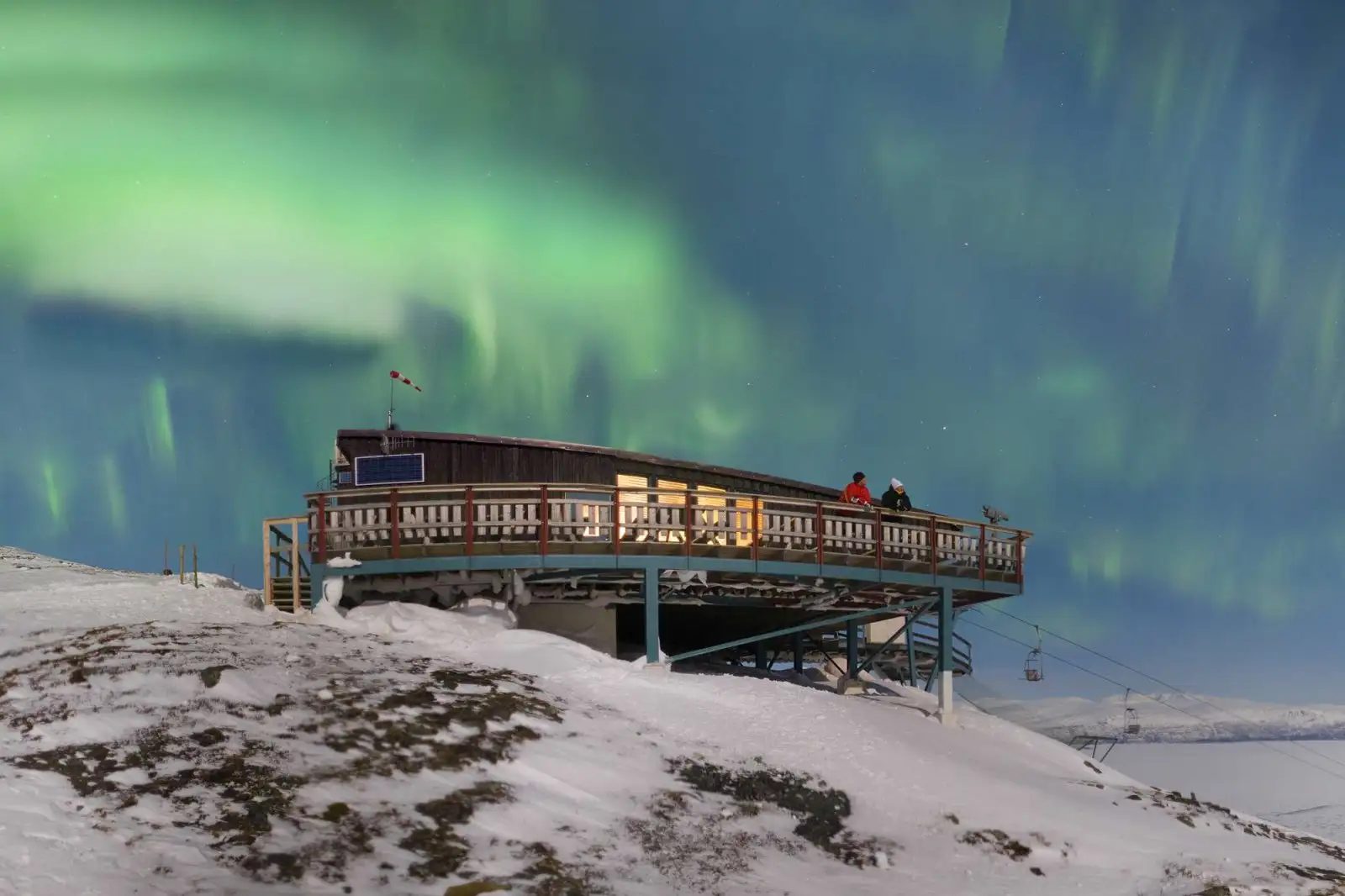
This high-altitude platform provides an unobstructed panoramic view of the surrounding mountain ranges and the night sky. Access requires the chairlift during operational hours.
Nighttime during clear skies
The flat, open terrain allows for wide-angle compositions featuring the surrounding peaks and the horizon. Use the reflective surface of the water if partially thawed.
Everything you need to know about abisko northern lights tracker
An abisko northern lights tracker helps monitor geomagnetic activity and cloud coverage to predict high-probability viewing windows. You should look for clear skies and low solar interference when using these forecasting tools in the national park.
The abisko northern lights tracker is most useful between September and April when the nights are sufficiently dark. During August, the region experiences the midnight sun, which makes observing the aurora borealis impossible due to constant daylight.
Official resources and local observatory data provide the most accurate aurora borealis forecast for the region. Many visitors supplement these reports by using a localized abisko northern lights tracker to adjust their plans in real-time.
Dress in warm, layered clothing as temperatures drop significantly at night, even if it feels mild during the day. Bringing a tripod for your camera is also recommended for capturing long-exposure images of the celestial display.
Abisko National Park Tours
Read more Tickets & toursNorthern Lights Tours with Dinner
Read more GuideAbisko Northern Lights Webcam
Read more GuideWhen to See Northern Lights in Abisko
Read more Tickets & toursKiruna to Abisko Northern Lights Tours
Read more GuideAbisko Northern Lights Forecast
Read more Tickets & toursAbisko Northern Lights Packages
Read more